Masonry restoration in Victorville CA - sound joints that let your walls dry out
Crumbling or missing mortar between your bricks or stones? We rake out the worn joints and repoint them with mortar that suits your wall.
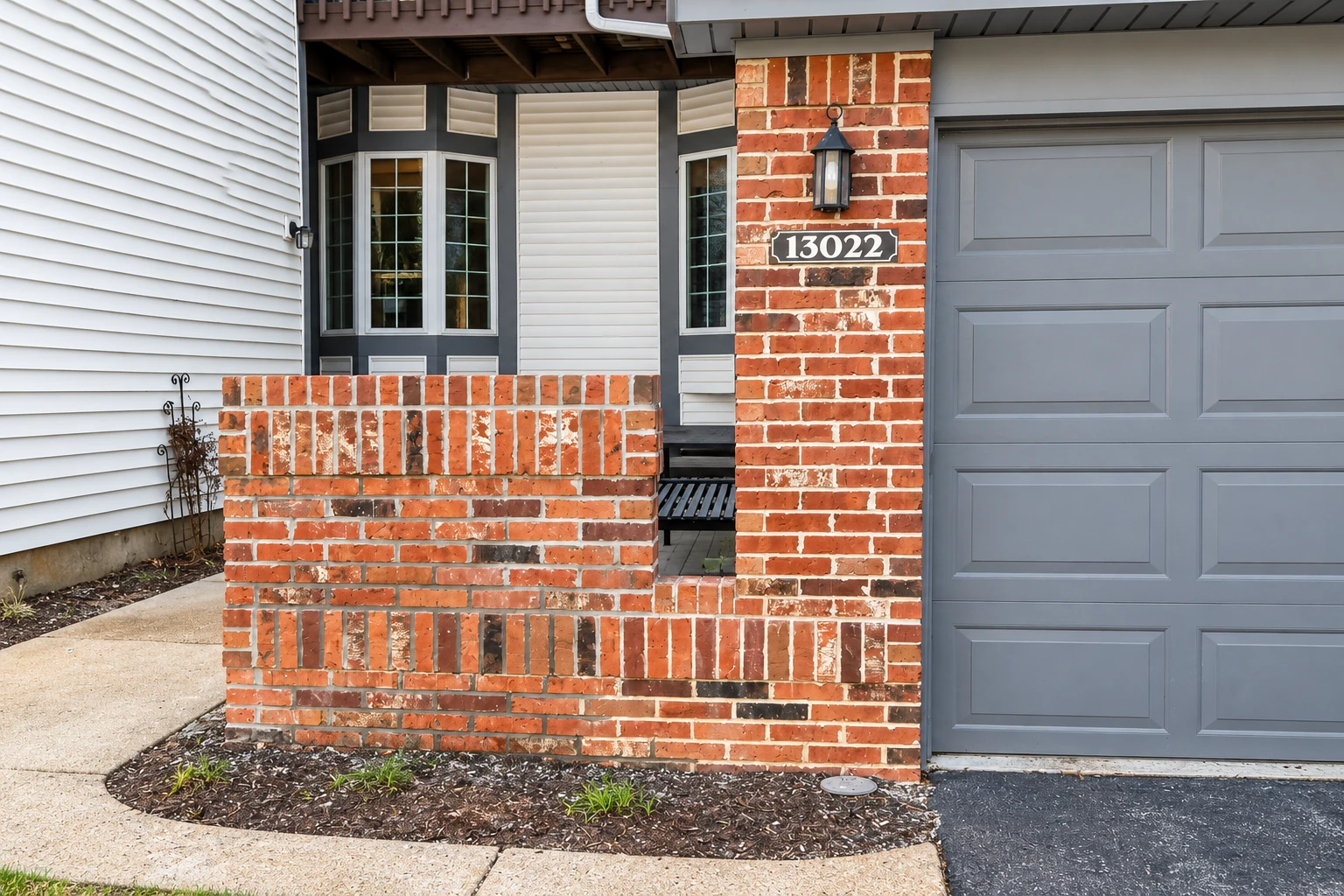
What does masonry restoration involve on a Victorville home?
Masonry restoration in Victorville, CA mostly comes down to repointing, which means raking the worn, crumbling mortar out of the joints in your brick or stone and packing in new mortar, so the wall sheds water and holds together again.
Most people call us after they notice sandy mortar on the ground under a wall or a crack running through the joints, and they want to know what it means before anyone starts grinding. The price mostly turns on how much wall needs new joints and how deep the worn mortar goes, and the schedule turns on the weather and on how much we need to learn about your wall before the old mortar comes out. Your own figure comes from the estimate, which spells out what we'll do and why. We're fully licensed and insured, and you should expect that of anyone working on your walls. Sometimes restoring a wall leads into a bigger plan, like fireplace installation in a room you're redoing or stone veneer installation on a plain wall nearby, and we can talk that through on the same visit.
How can you tell your brick or stone joints need work?
Mortar wears out long before good brick does, and it usually shows you first. These are the things homeowners around Victorville tend to notice before they give us a call.
Mortar that turns sandy and rubs out with a fingertip has usually worn through and stopped keeping water out.
Joints sitting deep behind the brick face mean the mortar has eroded and water can collect in the gaps.
Cracks that step up a wall along the mortar lines can point to movement that needs a closer look.
Brick or stone faces flaking or popping off usually mean moisture is trapped in the wall and can't dry out.
White, chalky staining usually means water is moving through the masonry and leaving salts behind as it dries.
Loose bricks or stones at a chimney top, wall cap or step mean the joints holding them have let go.
If bricks are loose or a crack keeps getting longer, call (760) 493-2913 instead of waiting, because open joints let in more water the longer they sit.
What happens when you call us about restoring your masonry?
Here's how a restoration job runs with us, from the first call to the last sweep, so you know who you'll be talking to and what you'll have in hand before any work starts.
Call or send us a message
Call (760) 493-2913 or use the form, and we'll set a time for me to come out and look at your walls myself. We're based in Victorville and work in the cities around it across the High Desert, so if you're farther out, call and ask.
Walk the walls together
I walk the job with you, answer whatever you want to ask and look for what's behind the worn joints, not just the joints. The estimate I write up says what we'll do, which mortar we'd use and why, so you know what you're agreeing to before you sign.
Our crew repoints the joints
Our own crew rakes out the worn mortar and packs the joints with the mortar we agreed on, and I check the work as it goes. We build to the building code, which the city's Building Division enforces for repair work in Victorville.
Clean up and look it over
We clean up before we call the job done, and I walk the finished walls with you so you can see every section we touched. Satisfaction guaranteed on every job.
Get a free estimate for your worn mortar joints
Send the form and we'll get back to you within one business day to set a time for me to come out. The estimate is free and on site, and there's no pressure to book.
- Call
- (760) 493-2913
- Hours
- Mon–Fri: 6 AM–11 PM, Sat–Sun: 8 AM–9 PM
Mortar choice decides how the repair holds up
The biggest choice on this job is the mortar. Straight portland cement and sand mortar is extremely hard, resists water moving through it, shrinks as it sets and moves a lot as temperatures change. Lime mortar is soft and porous and changes little in size through temperature swings, which is why national preservation guidance calls it a good choice for historic buildings. Ask any mason which one they'd use on your wall and why.
Here's why that matters. If new mortar keeps moisture from moving out of the wall and drying off, the water stays in the bricks or stones, and they're what get damaged. Mortar is supposed to be the part that gives, not the brick. So on older walls we pick a mortar that lets moisture leave the wall instead of trapping it, and I'll explain that choice on the estimate.
Before any old mortar comes out, we learn how your building was put together, because the guidance says that research should come first so the repair fits the wall in how it works and how it looks. It's prep before you cook, so plan a little time for it. Lime mortar also bonds poorly and holds up less well if it dries too fast after it goes in, which is worth asking about before work on a hot, dry day.
Masonry restoration questions from Victorville homeowners
What's the difference between repointing and tuckpointing?
For most homeowners there isn't one, because repointing, pointing and tuckpointing are names for the same job of replacing worn mortar in the joints. You'll see all three on estimates, so whichever word a quote uses, ask what mortar goes back in, since that's the part that decides how the wall holds up.
How much does masonry restoration cost in Victorville?
The cost comes down to the wall in front of us, so your real number comes from the estimate after I've seen it. Beyond the amount of wall, the price goes up with height and hard-to-reach spots like a chimney top, with bricks that need replacing rather than just new joints, and with matching an older mortar's color and texture so the repair doesn't stand out. A short run of joints at eye level costs a lot less than a full chimney.
Does a masonry contractor need a license in California?
Yes, California requires a state contractor's license for anyone who builds or alters a structure when the work needs a building permit, uses any extra workers, or adds up to $1,000 or more in labor and materials across its contracts. You can also ask whether a contractor holds the C-29 Masonry Contractor license, a class the state license board lists.
How do I know when it's safe to wash my brick in Victorville?
Wait until every mortar joint is sound and the wall is watertight, then wash only in weather with no chance of frost, because water left in the masonry can freeze, crack it and pop chips off the face, which masons call spalling. Victorville averages 40 days a year below 33°F, with most of them in December and January, so washing usually fits better outside the winter months. That's why we finish the joints first and let any washing wait.
What causes mortar joints to crumble on a brick or stone house?
Mortar is meant to be the softer part of the wall that wears first, so after enough years of sun, wind, water and temperature swings it turns sandy and falls out. Cracks that follow the joints can also come from the ground moving under the wall, and that's worth sorting out before new mortar goes in, since patching over a cause just means another call later.
Can old bricks be saved when the mortar is falling out?
Usually yes, because worn joints are far more common than worn-out brick, and most of a wall can stay right where it is once the joints are redone. Bricks that are cracked through or have lost their face can be cut out and replaced, and I'll point those out on the walk-through so you can see them for yourself.
Other masonry work that pairs with restoration
Fireplace installation
If you want a new fireplace, we can build one in brick or stone that suits your restored walls, so old and new read as one house.
Stone veneer installation
Stone veneer, a thin layer of stone set onto an existing wall, can dress up a plain block or stucco wall so it sits well beside restored masonry.
Send us photos of your worn joints
Call (760) 493-2913 or use the form with the age of your building, which walls are worn and a few close-up photos of the joints, so I can show up already thinking about your wall.
Mon–Fri: 6 AM–11 PM, Sat–Sun: 8 AM–9 PM